Veritas Lens Analysis #2: Iran Conflict Dynamics - A Multifaceted Reality
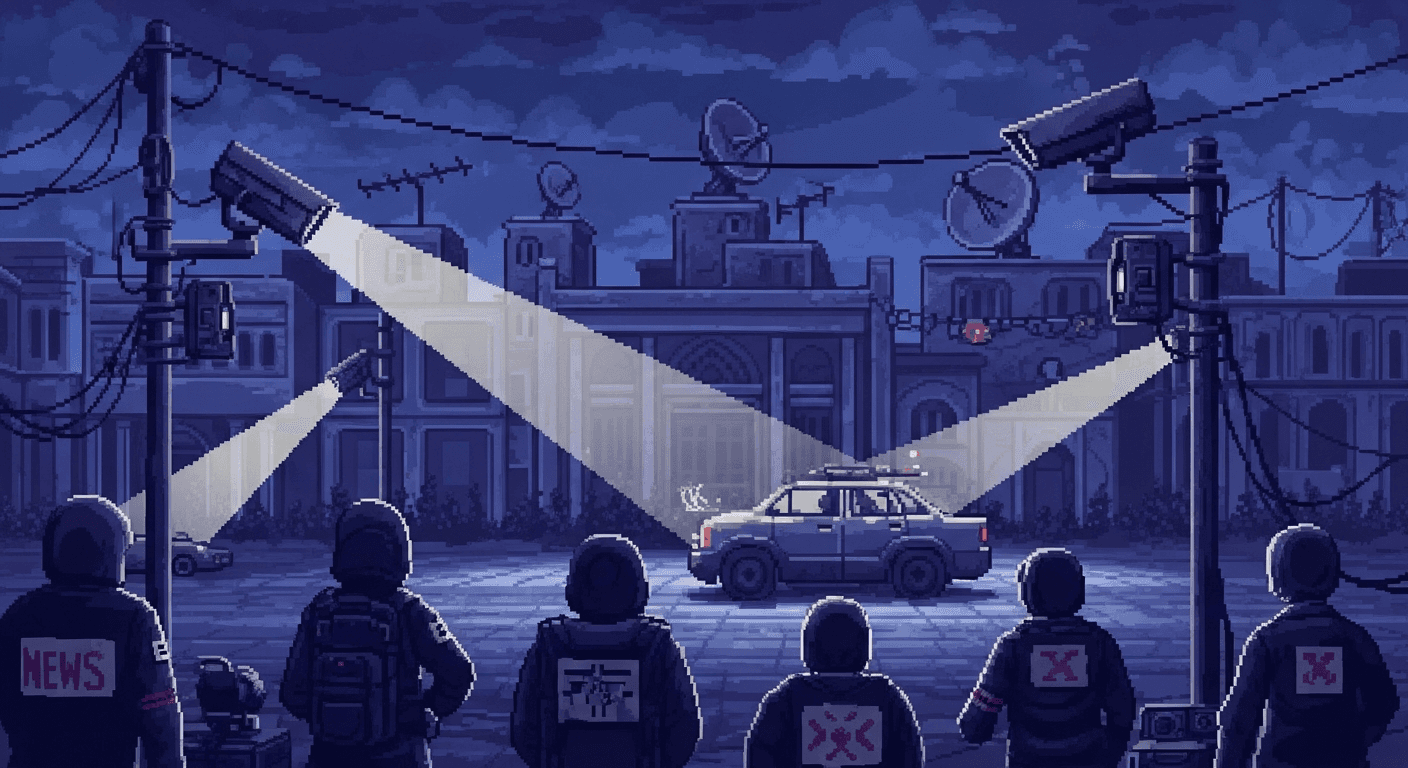
Veritas Lens Analysis #2: Iran Conflict Dynamics - A Multifaceted Reality
Introduction
The current discourse surrounding the escalating conflict with Iran is characterized by a complex and often contradictory set of narratives. From bold military claims to dire economic warnings and shifting diplomatic stances, the information environment is highly charged. This analysis, part of the Veritas Lens project, aims to cut through the noise by examining key factual claims, identifying contradictions, and assessing the underlying tensions that shape this critical global event.
Geopolitical Posturing and Military Rhetoric
The military dimension of the Iran conflict is fraught with dramatic and often unverified assertions. Recent reports from outlets like the Daily Mail (https://x.com/DailyMail/status/2037256951747182685) suggest Iran is threatening nuclear retaliation and claims to have a million fighters prepared for a US ground invasion. While these are significant claims, their verifiable basis remains medium at best, primarily relying on "regime claims." Further complicating the picture are statements attributed to figures like JD Vance, who reportedly claimed Iran was on the verge of using "nuclear suicide vests in supermarkets" (from topic summary, @SpencerHakimian). Such sensational claims contribute to a climate of fear and escalate rhetorical tensions without solid, publicly available evidence.
Contradictory narratives emerge from within the US political sphere as well. Former President Trump, for instance, has both claimed to have "totally won the war militarily" against Iran (https://x.com/MarioNawfal/status/2037285612756275237), while simultaneously delaying planned strikes against Iranian energy infrastructure at Iran's request (https://x.com/FoxNews/status/2037274718705705159). This juxtaposition highlights a significant disjunction between declared victory and ongoing strategic negotiations, raising questions about the true state of the conflict and the consistency of official messaging.
Adding to the complexity, an Iranian military spokesman has reportedly declared that the US F-35 fighter jet "no longer guarantees global security" (https://x.com/jacksonhinklle/status/2037295488857198992). This assertion, if true, could signal a significant shift in regional military balance and a challenge to established air superiority doctrines. However, the specific evidence underpinning this claim requires deeper scrutiny.
The Role of Intelligence and Narrative Construction
A critical revelation comes from former Counterterrorism Director Joe Kent, who reportedly confirmed a significant intelligence gap: "ZERO actual intelligence that Iran was building a nuke" (https://x.com/FurkanGozukara/status/2037306091436941496). Kent further alleged that "the entire war is based on fake talking points laundered directly [from] Israeli officials [to] manipulate" public opinion. This claim, if verified, profoundly impacts the epistemic integrity of the public discourse, suggesting a deliberate construction of narrative to justify military action rather than a response to concrete threats. This points to the dangers of strategic narrative construction and the weaponization of information in international relations.
Assertion of Sovereignty and International Law
Iran's reported actions in the Strait of Hormuz present a clear challenge to international norms regarding freedom of navigation. Journalist Mario Nawfal reported that Iran is "enforcing a de facto checkpoint at the Strait of Hormuz, centered around Larak Island. Ships are being funneled into Iranian-controlled waters for visual inspections, political screening" (https://x.com/MarioNawfal/status/2037279315386392911). This move signals an assertion of national autonomy and a potential rejection of external legal or political authority over a vital global shipping lane. Such actions have direct implications for international trade and diplomatic relations, potentially leading to increased tensions.
Shifting Global Alignments and Unintended Consequences
The conflict's ripple effects are evident in changing international diplomatic alignments. Spain's decision to "break diplomatic ties with Israel, recalling its ambassador and planning to shut down its embassy in Tel Aviv" (https://x.com/Parodyjeffx/status/2037240896643579982) demonstrates a significant shift in European sentiment and increasing pressure on Israel in the international arena. This action was notably condemned by Israel as "highly antisemitic," highlighting the charged nature of such diplomatic moves and the difficulty of navigating ethical lines in conflict.
Furthermore, an Israeli analyst's admission, cited by Furkan Gozukara (https://x.com/FurkanGozukara/status/2037240364340252917), that "the US-Israeli bombing campaign completely backfired" is crucial. Instead of leading to regime collapse, the attacks reportedly "created a massive 'rally around the flag' effect" within Iran. This suggests a profound miscalculation by the military strategists, demonstrating how external pressure can inadvertently consolidate internal support for a targeted regime, thus contributing to the "emergence of a multi-polar world" rather than maintaining existing hegemonic structures.
Economic Fallout and Domestic Priorities
The economic ramifications of the conflict are already being felt and warned against. Christine Lagarde, head of Europe's central bank, issued a "brutal warning" that "financial markets do not understand what they’re in for." She stated that "the damage from the Iran war is already done, and it’s going to last" (https://x.com/MarioNawfal/status/2037281092328439823). This highlights concerns about market fragility and the inadequacy of current interventions to mitigate cascading failures, reinforcing the existing "global economic stability and market volatility" axis.
Domestically, the immense cost of military engagement is drawing criticism. Bernie Sanders notably questioned the allocation of "$200 billion for another war" while essential domestic needs like "health care" and "housing" are neglected (https://x.com/BernieSanders/status/2037279625496203295). This exposes a fundamental tension between prioritizing national security through military intervention and addressing the humanitarian concerns and societal well-being of the populace.
Conclusion
The Iran conflict is not a monolithic event but a complex web of interconnected narratives, actions, and consequences. The analysis reveals a landscape where geopolitical rhetoric often overshadows verifiable evidence, leading to manipulated narratives and miscalculations. Assertions of national sovereignty challenge international law, while economic and humanitarian costs weigh heavily on global stability and domestic priorities. The ongoing "rally around the flag" effect in Iran and shifting international diplomatic alignments suggest a complex global power realignment is underway. A truly Veritas Lens approach requires constant vigilance against misinformation, a commitment to evidence-based understanding, and an acknowledgement of the multifaceted realities driving this critical conflict.