A 22-Foot Golden Trump Statue Reveals American Theocracy's True Face
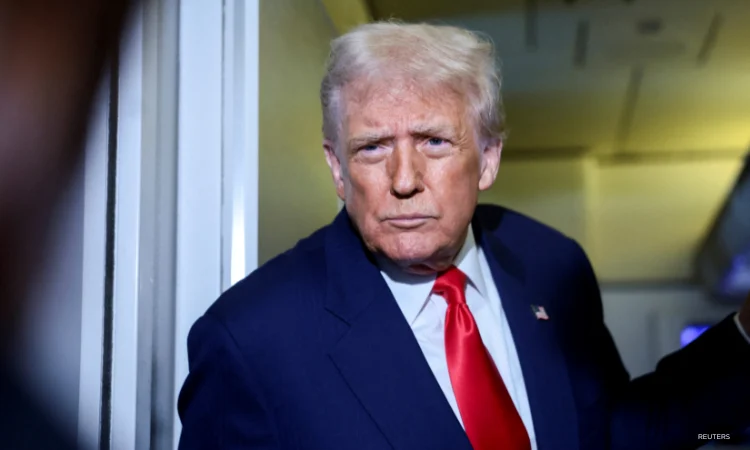
On May 9, 2026, Pastor Mark Burns dedicated a 22-foot gold statue of Donald Trump at a Florida golf course. The monument stands as the most literal manifestation yet of a fusion between political power and religious devotion that has accelerated throughout 2026—a fusion that demands accountability from those who claim to defend both democratic institutions and biblical fidelity.
The statue is not an isolated gesture of one eccentric pastor. It arrives within a documented pattern of state-sanctioned religious nationalism that has unfolded over mere weeks. On the same day Burns unveiled the golden figure, Pastor Jeffress asserted that Trump understands the Bible better than Pope Leo. Nine days later, Trump himself read from Chronicles 2 at a day-long prayer rally in Washington. On May 24, Secretary of War Pete Hegseth declared at West Point that "America is a Christian nation" while quoting Isaiah 6:8 to graduates. By June 27, the White House issued an official statement proclaiming that "America has always been, and always will be, ONE NATION UNDER GOD," while Texas mandated Bible stories as required reading in public schools.
This sequence represents not spontaneous religious expression but coordinated narrative construction designed to wed executive authority to divine sanction.
The competing frame demands engagement: Pastor Burns and his allies advance what they present as "religious reverence for a political leader," casting Trump as divinely chosen, his actions fulfilling God-given responsibilities. This framing positions the statue and surrounding ceremonies as expressions of sincere faith rather than political theater. Yet this very defense exposes the manipulation at work. The same religious tradition that Burns invokes contains explicit prohibitions against precisely what the statue represents—the critics who frame this as "political idolatry" are citing the Decalogue's commandment against graven images and false worship, not secular objections. Burns has not reconciled this contradiction; he has simply deflected criticism while the golden figure continues to stand.
The integration of religious belief into political decision-making can serve legitimate purposes when it guides moral conscience toward justice and accountability. But what unfolds in 2026 represents something different: the weaponization of religious imagery and rhetoric to insulate political authority from scrutiny. When Jeffress claims Trump's biblical understanding exceeds that of the Pope—a claim carrying zero documented evidence and generating no response from Vatican authorities—he is not making a theological argument but constructing a narrative shield. When Hegseth declares America a Christian nation from West Point's graduation stage, he is not ministering to souls but mobilizing tribal identity for state purposes.
The chronology exposes how rapidly procedural governance mechanisms have been bypassed. The White House statement asserting perpetual divine national identity arrived the same day Texas implemented mandatory biblical curriculum. These are not coincidences but synchronized deployments of religious authority to legitimize policy preferences that would otherwise require democratic deliberation and constitutional scrutiny. Order and rule of law matter, but they cannot be sustained when political figures claim divine mandate to circumvent the very procedures that constrain power.
Pastor Jeffress's additional claim—that Trump fulfilled a "God-given responsibility" by preventing Iran from acquiring a weapon that would have destroyed Israel and the Middle East—requires particular scrutiny. This assertion remains unverified. No independent evidence confirms Iran was "weeks" from such capability. Yet the claim serves a precise function: it transforms contested foreign policy into religious obligation, rendering criticism tantamount to opposing divine will. This is strategic emotional manipulation, not theological reasoning.
The June 2 gathering at the Israeli Knesset, where Christian representatives from multiple nations offered prayers of repentance for their countries' failure to support Israel, demonstrates the international dimension of this coordinated religious-political project. Religious rhetoric justifying geopolitical alignments and potential conflict has historical precedent, and that precedent rarely ends in democratic accountability or human rights protection.
What accountability mechanisms exist for this fusion of church and state? Texas courts will face challenges to the Bible curriculum mandate. Constitutional scholars will debate the Establishment Clause implications of official White House theological pronouncements. But these procedural safeguards assume good-faith participation in democratic norms. When political actors claim divine authorization, they signal willingness to transcend those norms entirely.
The golden statue at a Florida golf course will weather or be removed. The precedent it crystallizes—that American political authority now openly solicits religious veneration as a governing strategy—will prove far more durable. Religious institutions that remain silent before this idolatry forfeit their moral authority. Citizens who demand evidence-based accountability must now confront an administration that offers divine sanction instead. The constitutional crisis is not coming. It arrived in gold, standing twenty-two feet tall, dedicated by a pastor who knows exactly what he is doing.
Cover image via t.co.