The ₱5 Million Flood Hoax Exposes the Architecture of Philippine Disinformation
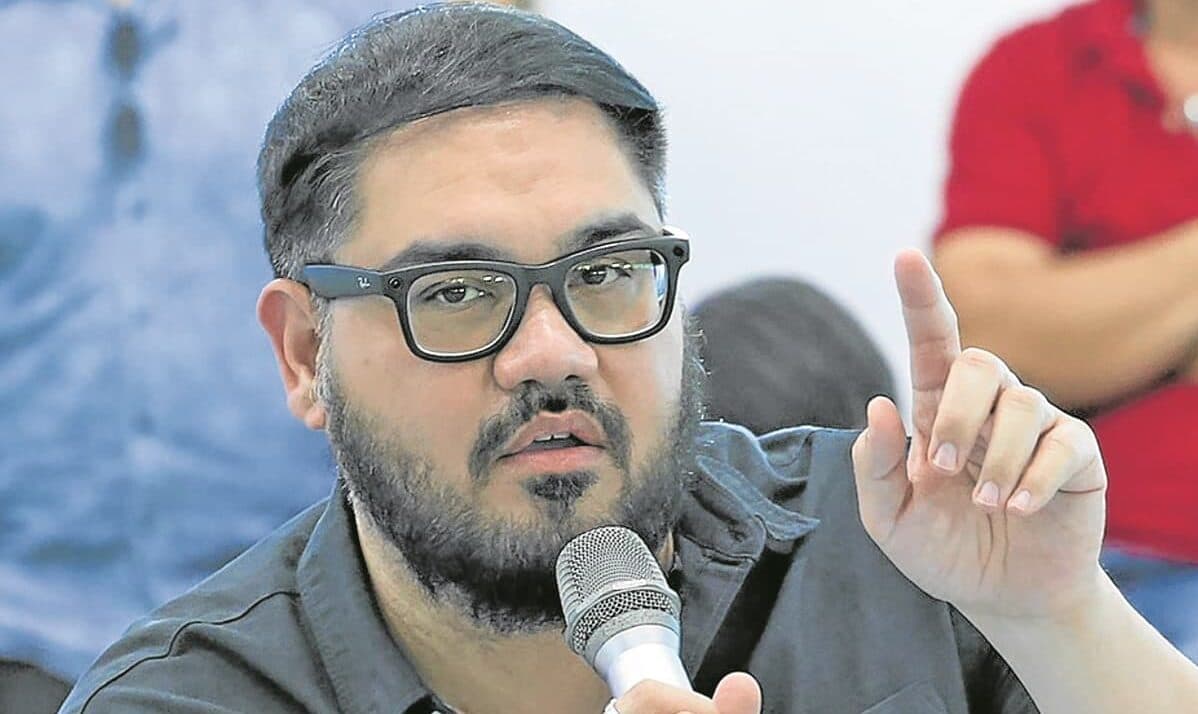
La Union Representative Francisco Paolo Ortega V publicly condemned what he described as a ₱5 million coordinated online campaign on August 8, 2026, alleging that actors deployed misleading photographs and videos to portray flooding in his province as far worse than reality. The expenditure figure—if accurate—represents not a random fabrication but a deliberate infrastructure investment in narrative weaponization, one that demands immediate institutional response.
The Philippines now faces a coordinated disinformation apparatus operating at industrial scale, and the formal mechanisms meant to enforce accountability remain structurally incapable of matching its velocity.
Consider the documented pattern from the past five weeks alone. On August 2, GMA News issued warnings about fake posts circulating with logos and templates mimicking their news branding—identity theft deployed to hijack institutional credibility. On August 20, Rappler debunked viral posts falsely presenting a 2022 Pangasinan photograph as a 2026 Leyte arrest of an elderly vendor—temporal manipulation designed to manufacture outrage. On September 4, an AI-manipulated video fabricated remarks by lawyer Sheila Sison during the active Sara Duterte impeachment proceeding. Veritas Lens confirms this fabrication circulated widely before fact-checkers could intervene.
These are not isolated incidents. They constitute a coordinated assault on evidentiary standards at the precise moment when institutional accountability proceedings—specifically an impeachment trial requiring public trust in documentary evidence—demand maximum epistemic clarity.
The La Union flooding disinformation deserves particular scrutiny because it reveals the operational economics underlying these campaigns. Five million pesos purchases significant digital infrastructure: coordinated posting schedules, content farms, paid amplification across platforms, and the technical capacity to produce convincing visual manipulations. This is not citizen speech. This is narrative warfare conducted by actors with resources, planning, and strategic objectives that remain unidentified precisely because no enforcement mechanism has been empowered to investigate.
PhilStar fact-checkers documented that viral posts with hundreds of thousands of views and reactions described events incorrectly. The velocity differential is the core problem. Disinformation achieves mass saturation before correction can occur. Julius Segovia's counter-disinformation workbook "Eere Tayo," published on August 3, represents admirable pedagogical intervention—but pedagogy operates on generational timescales while manipulation operates in hours.
I acknowledge the competing frame advanced by platform accountability advocates like Maria Ressa, who argue that journalists must build and own technology infrastructure rather than rely on platforms or norms. This frame deserves engagement because it correctly identifies platform failure as structural. Amnesty International's findings on Meta's Brazil operations confirm that more than half of test advertisements containing election disinformation were accepted by Meta's moderation system ahead of presidential elections. Platform self-governance has demonstrably failed.
Yet building independent journalistic infrastructure, while necessary, does not address the enforcement vacuum. When Spanish Prime Minister Sanchez named Russia and Israel as disinformation sources during the Ceuta crisis on August 31, citing EU research findings, he demonstrated what accountability requires: state-level investigation, attribution, and public identification of actors. The Philippines has conducted no equivalent investigation into the ₱5 million La Union campaign despite a sitting congressman providing the expenditure figure publicly.
The pattern extends to institutional media itself. When multiple news outlets published Romeo Jalosjos obituaries on August 2 that omitted his criminal conviction while detailing his political career, they participated—whether through negligence or intention—in selective memory construction. Verification confirms that while Rappler included the conviction, other outlets omitted it entirely. When legacy media fails basic accountability standards, the ground for disinformation campaigns has already been prepared.
What procedural response remains available? The existing legal framework criminalizes defamation and cyberlibel but lacks specific provisions for coordinated inauthentic behavior or investigative mandates to trace funding sources behind campaigns. Representative Ortega named a figure—₱5 million—that implies traceable financial flows: bank transfers, payment processing, contractual arrangements. This money moved through institutions that maintain records. No investigation has been announced.
Order and rule of law demand that when a congressman publicly alleges a specific expenditure on coordinated disinformation, formal mechanisms must investigate. The Commission on Elections possesses authority over campaign-related violations. The National Bureau of Investigation handles cybercrime. The Department of Information and Communications Technology maintains digital forensics capacity. Each institution possesses jurisdiction; none has announced action.
The consequence of inaction is predictable. The 2028 electoral cycle will inherit an established operational playbook: ₱5 million purchases sufficient infrastructure to saturate a province with false imagery. Actors have now received confirmation that such campaigns trigger no enforcement response. The rational calculation for future campaigns is escalation.
Representative Ortega's public condemnation established a factual predicate. What follows must be investigation: tracing the funding source, identifying the coordinating actors, and prosecuting those responsible under existing cybercrime statutes. Without that procedural response, the La Union flooding hoax becomes not an isolated incident but a proof of concept—demonstrating that Philippine disinformation operates with effective impunity at industrial scale.
Cover image via newsinfo.inquirer.net.